
Home / Research notes
Evaluating home product information online
A reader's framework for separating product descriptions, supporting evidence and site-specific advice when researching home improvements online.
Guest contribution by Smarter Outdoors · 6 November 2026
Begin with the question the page can answer
Researching a home improvement online involves several different questions. A supplier's website can describe its products and explain how an enquiry works. It may also publish completed projects, maintenance information and warranty terms. Those are different forms of information, and each should be assessed on its own merits.
A product description does not establish how that product will perform on every building. The size and position of an opening, the surrounding structure and the installation method can all affect the eventual result. Useful online research identifies the next questions to ask as well as possible suppliers.
Look for the scope behind a claim
When a page makes a performance claim, look for the conditions attached to it. Is it about a particular model, material or tested assembly? Does the description identify a test method or supporting document? A number without a clear scope is difficult to apply to a different home.
The same discipline helps when reading reviews. An individual review describes one customer's experience. It does not establish a performance result for every product, and it may refer to work carried out under different circumstances.
Use product pages as a starting point
Consider a reader comparing external window coverings. The Smarter Outdoors roller shutter range is a supplier resource for identifying the category and preparing questions about a Perth installation. The next step is to request a specification for the particular openings involved.
Ask the supplier to distinguish between standard features and optional components. Request written information about operation, maintenance and warranty coverage. Where a statement matters to the purchase, retain the relevant document and its date alongside the quote.
Keep observation separate from inference
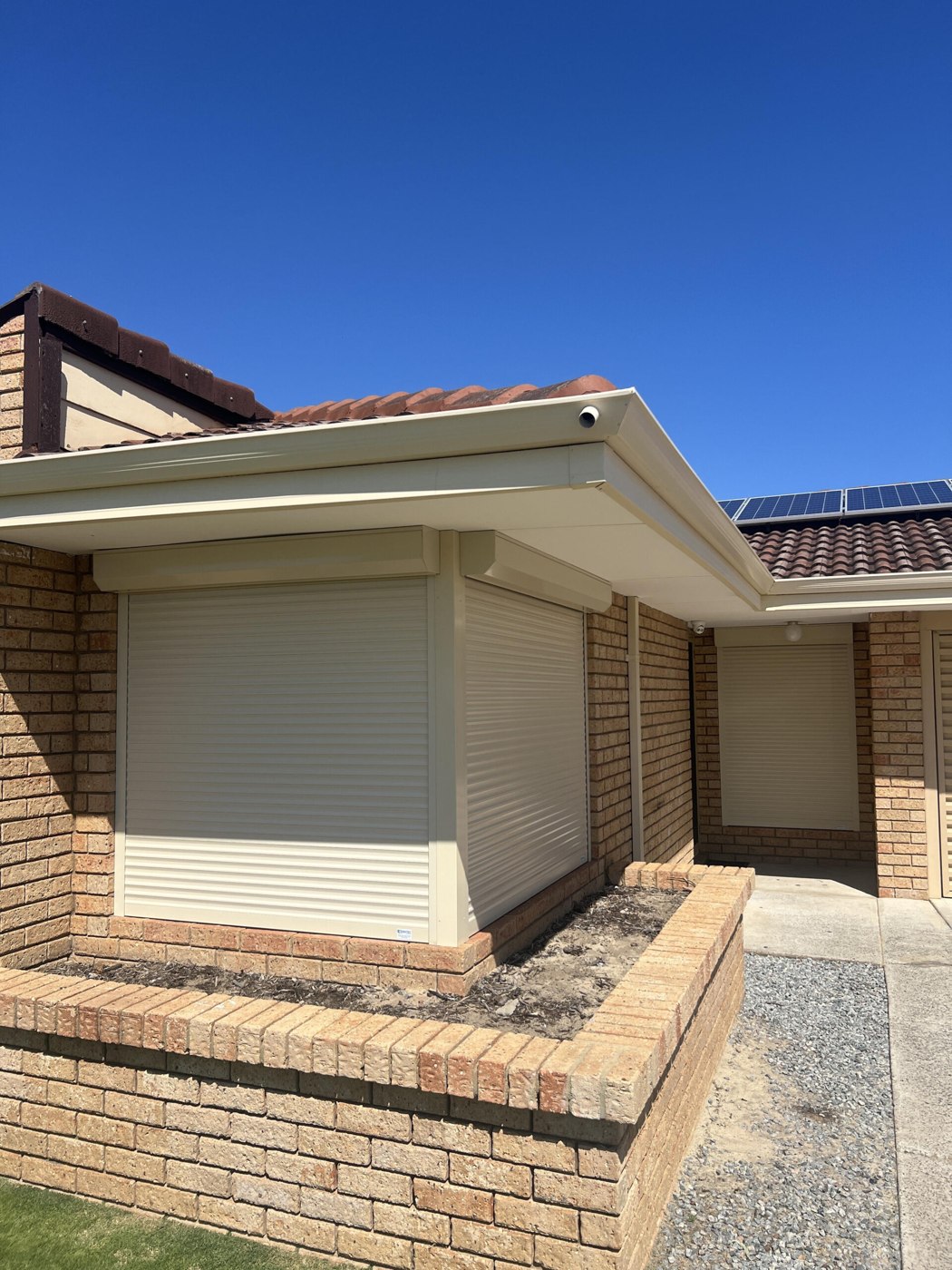
A project photograph may show the appearance of an installation, but it cannot establish the temperature inside the room or how much sound reaches it. A claim about those outcomes needs a different kind of evidence. Good research avoids using a persuasive image as a substitute for a measured result.
Before making a decision, assemble a short record: the problem to solve, the proposed product, the evidence supporting important claims and the issues still to be checked on site. That record makes follow-up discussions more precise.
The purpose of critical reading is practical. It helps a homeowner recognise what a web page establishes, what it suggests and what still requires an answer from the business supplying the work.
Consumer information guide · Online design guide · Caslon Analytics home